Natural Ways to Repel Pests - No Killing Needed Introduction
Introduction
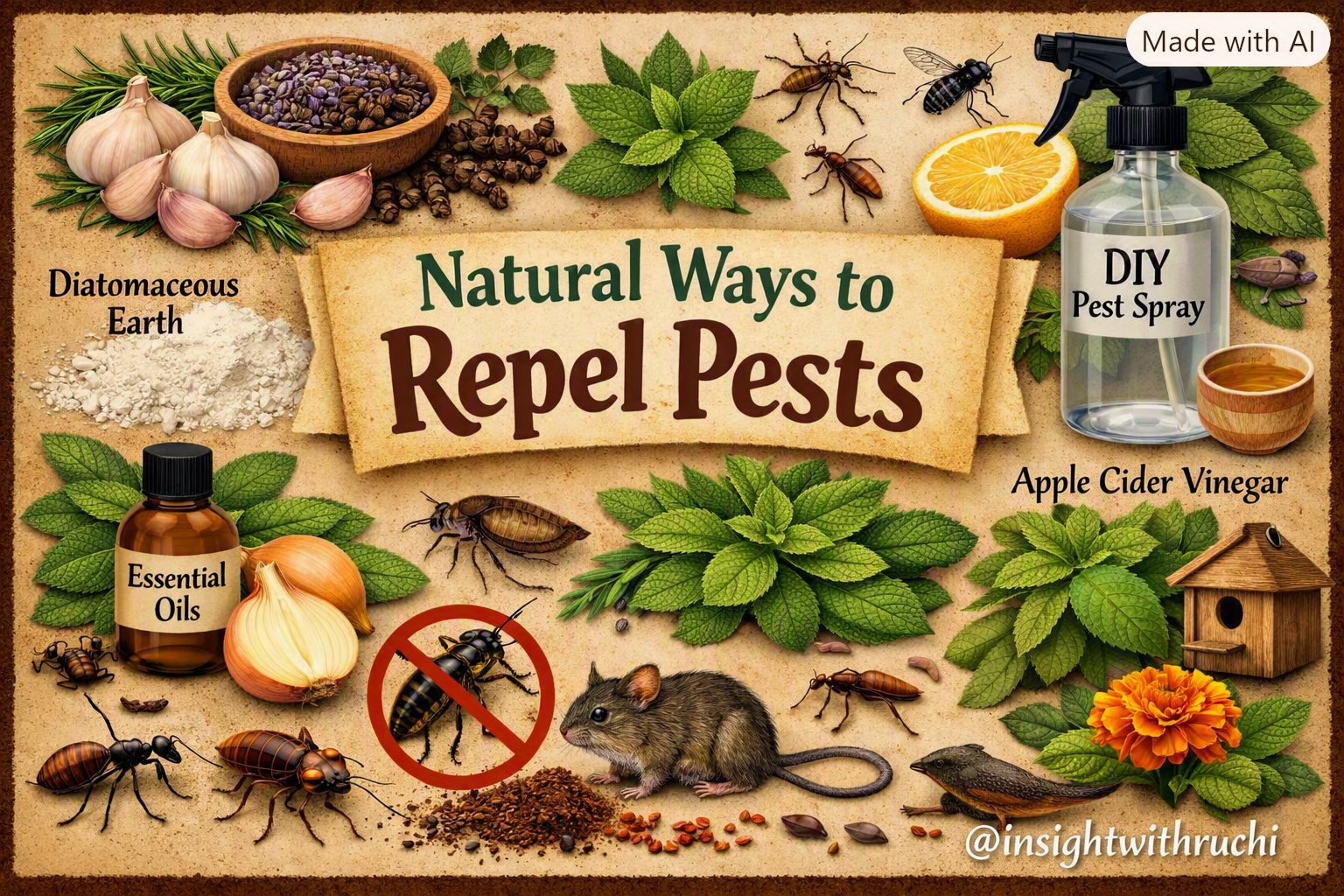
Every household has its share of uninvited guests-ants marching across the kitchen counter, mosquitoes buzzing around during monsoon evenings, or cockroaches sneaking into dark corners. For generations, the default response has been chemical sprays, traps, or exterminators. But what if there was a gentler, more sustainable way?
Growing up in India, I remember my mother sprinkling turmeric near the pantry shelves to keep ants away. She didn’t call it “eco-friendly pest control,” but her wisdom was rooted in centuries of cultural practices that valued harmony with nature. Today, as more people seek non-toxic lifestyles, these traditional remedies are making a comeback.
This blog explores natural ways to repel pests without killing them, blending cultural anecdotes, scientific reasoning, and practical DIY tips.
Snakes
Snakes are highly sensitive to strong odors, which makes natural scents an effective and eco‑friendly way to keep them away from homes and farms. In many rural communities, people burn lemongrass or camphor during harvest season as a traditional snake repellent.
These natural remedies work because snakes rely heavily on their sense of smell, and overpowering fragrances disrupt their comfort zone, encouraging them to leave without harm. A simple room freshener spray or herbal diffuser can serve as a safe indoor snake deterrent.
Modern households often use essential oils such as clove, cinnamon, or peppermint, which not only freshen the air but also serve as natural snake repellents. Unlike chemical sprays, these plant‑based solutions are non‑toxic, eco‑friendly, and safe for children and pets.
Using herbal snake repellents is a practical way to combine wellness with safety. Whether it’s burning camphor sticks, diffusing clove oil, or spraying lemongrass extract, these natural methods provide effective snake control without harming the environment.
Ants
Ants are among the most determined little creatures you’ll encounter in a household, and once they discover a food source, they rarely give up easily. Yet, nature has provided us with simple remedies that can help keep them at bay without resorting to harsh chemicals.
One such remedy is Turmeric, a golden spice found in nearly every Indian kitchen. Beyond its culinary and medicinal uses, turmeric has long been valued as a natural deterrent against ants. In Kerala, for instance, families traditionally apply turmeric paste around storage containers to protect grains from infestation, a practice that blended everyday cooking with practical pest management.
Another effective option is coffee powder, which ants instinctively avoid. The strong aroma and texture of coffee grounds create barriers that ants are reluctant to cross, making it a handy solution for modern households. By sprinkling turmeric or coffee powder along entry points such as doorways, windowsills, or cracks in the floor, one can disrupt their trails and discourage them from invading your space.
Mosquitoes
Mosquitoes are perhaps the most universally disliked pests, buzzing around our homes and gardens, leaving itchy reminders of their presence. Yet, nature offers us a fragrant and surprisingly effective solution in the form of citrus power.
Orange peels, often discarded after enjoying the fruit, can be repurposed as a natural mosquito repellent. In many households, especially across Asia, dried citrus peels are burned to release a pleasant smoke that doubles as a mosquito deterrent. This practice not only keeps the air fresh but also creates a protective shield against these unwelcome insects. The secret lies in limonene, a compound found in citrus fruits that has been scientifically proven to repel mosquitoes. It’s fascinating how something as simple as an orange peel can carry such potent properties.
For a quick fix, you can place fresh peels near windowsills or doorways, creating a natural barrier that mosquitoes hesitate to cross. Some even rub the peels directly on their skin for short-term relief, enjoying both the refreshing scent and the added protection. What makes this remedy so appealing is its accessibility. Citrus fruits are a staple in most kitchens, making this method both cost-effective and eco-friendly.
Beyond its practical use, the cultural resonance of burning citrus peels during summer evenings adds a nostalgic charm, reminding us of family traditions where elders relied on natural wisdom rather than chemical sprays. By embracing citrus power, we not only safeguard our homes but also reconnect with sustainable practices that honor the balance between human comfort and nature’s gifts.
Cockroaches
Cockroaches are among the most stubborn household pests, but natural remedies like bay leaves offer a safe and effective way to keep them away. Cockroaches hate the strong smell of bay leaves, which makes them an excellent herbal pest control option. In Ayurveda, bay leaves are considered cleansing, and their use extends to protecting food and living spaces.
A simple DIY method is to place dried bay leaves in cupboards, under sinks, or near drains to repel cockroaches naturally. As a bonus, bay leaves also help keep stored rice and flour fresh for longer.
Another powerful remedy is using neem leaves or neem oil, which act as a natural insecticide and can be sprayed around kitchen corners or mixed with water to wipe surfaces. Clove oil is another effective solution, as its strong aroma disrupts cockroach activity and can be applied near entry points or diffused indoors.
These eco‑friendly remedies not only keep cockroaches away but also maintain a hygienic and chemical‑free environment. By combining bay leaves, neem, and clove oil, households can create a natural barrier against cockroaches while ensuring food safety and freshness.
Rats
Rats are clever creatures, but they naturally avoid strong spices, making herbal remedies a safe and effective way to keep them away from homes. One of the simplest methods is sprinkling black pepper powder in corners, near drains, or around food storage areas, as its pungent aroma deters rats without harm.
My uncle swore by this trick after rats chewed through his stored mango pickles, and he found that pepper worked wonders. For added strength, combining black pepper with cloves creates a powerful natural rat repellent that keeps them from entering kitchens or storerooms.
Another effective remedy is using garlic paste or crushed garlic cloves, as the strong smell irritates rats and prevents them from nesting indoors. You can also try dried red chili flakes, which act as a natural barrier when sprinkled near entry points or mixed with water to wipe surfaces.
These eco‑friendly solutions not only protect food supplies but also maintain a hygienic environment without relying on harmful chemicals.
Centipedes & Termites
Centipedes and termites can be controlled naturally with simple household remedies like salt and lime water. Sprinkling salt in damp corners or cracks helps to dehydrate centipedes and discourages them from nesting indoors.
Lime water, when sprayed on wooden furniture or walls, acts as a natural termite repellent by creating an environment they cannot tolerate. These remedies are safe, eco‑friendly, and easy to use without relying on harmful chemicals.
A storytelling example comes from many rural households where salt was sprinkled around grain storage to keep centipedes away during monsoon season. For added strength, mixing lime water with neem oil provides a powerful barrier against termites, protecting wooden structures and cupboards.
Another effective method is using turmeric powder, which has natural antifungal and insect‑repelling properties, making it useful for keeping both centipedes and termites at bay.
Together, salt, lime water, neem oil, and turmeric create a holistic pest control solution that is affordable, safe for children and pets, and rooted in traditional wisdom.
Geckos
Geckos are common in tropical homes, but they dislike the strong aroma of garlic, making it a natural and safe way to keep them away. Spraying garlic‑infused water on walls and corners is an effective household remedy that discourages geckos from settling indoors.
In Tamil Nadu, a cultural practice involves applying garlic paste near kitchen windows to prevent geckos from entering, showing how traditional wisdom blends with everyday pest control.
A simple DIY recipe is to crush garlic, mix it with water, and spray lightly around areas where geckos are often seen. For added strength, combining garlic water with onion juice creates a powerful natural repellent that keeps geckos away from walls and ceilings.
Another effective method is using pepper spray made from black pepper powder mixed with water, which irritates geckos and prevents them from nesting indoors. These eco‑friendly remedies are safe, affordable, and chemical‑free, making them ideal for households seeking natural pest control.
Flies
Flies are a common nuisance in kitchens, but pandan leaves provide a natural and fragrant solution to keep them away. This aromatic herb, widely used in Southeast Asian cooking, doubles as an eco‑friendly fly repellent. Simply placing pandan leaves near fruit bowls or food storage areas helps discourage flies from hovering indoors.
In Malaysia, a cultural practice involves tying pandan leaves into knots and hanging them in kitchens, creating a natural barrier against flies while adding a pleasant aroma. For added strength, combining pandan leaves with cloves enhances the repellent effect, as the strong spice aroma further deters flies.
Another effective remedy is using basil leaves, which not only repel flies but also keep the kitchen fresh and insect‑free. These natural methods are safe, affordable, and chemical‑free, making them ideal for households seeking eco‑friendly pest control. By blending pandan, cloves, and basil, families can maintain a hygienic kitchen environment while enjoying the refreshing fragrance of herbs.
Why Choose Natural Pest Control?
Choosing natural pest control methods offers multiple benefits that go beyond simply keeping pests away. By avoiding toxic chemicals, these remedies protect the health of your family, pets, and even beneficial insects in the environment. They are eco‑friendly solutions that reduce environmental damage, ensuring that soil, water, and air remain free from harmful residues.
Natural pest control is also cost‑effective, as it often relies on everyday kitchen ingredients like garlic, cloves, neem, or turmeric, making it affordable and accessible for everyone. At the same time, these practices revive traditional wisdom, connecting modern households with cultural continuity and age‑old remedies passed down through generations.
Using natural repellents not only safeguards your home but also promotes sustainable living, blending health, ecology, and heritage into one holistic approach. This makes natural pest control a smart, safe, and eco‑conscious choice for long‑term protection.
Practical Checklist for a Pest-Free Home
A pest‑free home doesn’t just happen overnight. It requires consistent effort and smart prevention. By combining natural remedies with simple household practices, you can create an environment that discourages pests while keeping your space safe and eco‑friendly. This checklist serves as a practical guide to help you maintain hygiene, protect food supplies, and ensure long‑term effectiveness without relying on harmful chemicals.
Identify entry points.
Use natural repellents consistently.
Keep spaces clean and dry.
Store food in airtight containers.
Rotate remedies for effectiveness.
FAQs
Q1: Do natural pest repellents really work?
Yes, many traditional remedies are scientifically backed. For example, citrus peels contain compounds proven to repel mosquitoes.
Q2: Are these methods safe for children and pets?
Most are safe, but strong spices like pepper should be kept out of reach.
Q3: How often should I apply these remedies?
Weekly application or whenever pests reappear works best.
Q4: Can I combine remedies?
Yes, layering methods (like turmeric + bay leaves) enhances effectiveness.
Read More Section
Effective remedies to get rid of pigeons: https://www.insightswithruchi.com/blog/6-home-remedies-to-get-rid-of-pigeons
How to get rid of Ants: https://www.insightswithruchi.com/blog/home-remedies-to-get-rid-of-ants
Remedies to get rid of Cockroaches: https://www.insightswithruchi.com/blog/effective-home-remedies-for-cockroaches
Conclusion
Natural pest control isn’t just about keeping your home clean; it’s about living in harmony with nature. By embracing eco-friendly remedies, we honor cultural traditions, protect our health, and contribute to sustainability.
Next time you see ants marching across your counter, skip the chemical spray. Reach for turmeric or coffee powder instead. It’s a small step toward a greener, healthier lifestyle.
Comments
Loading comments...
You May Also Like
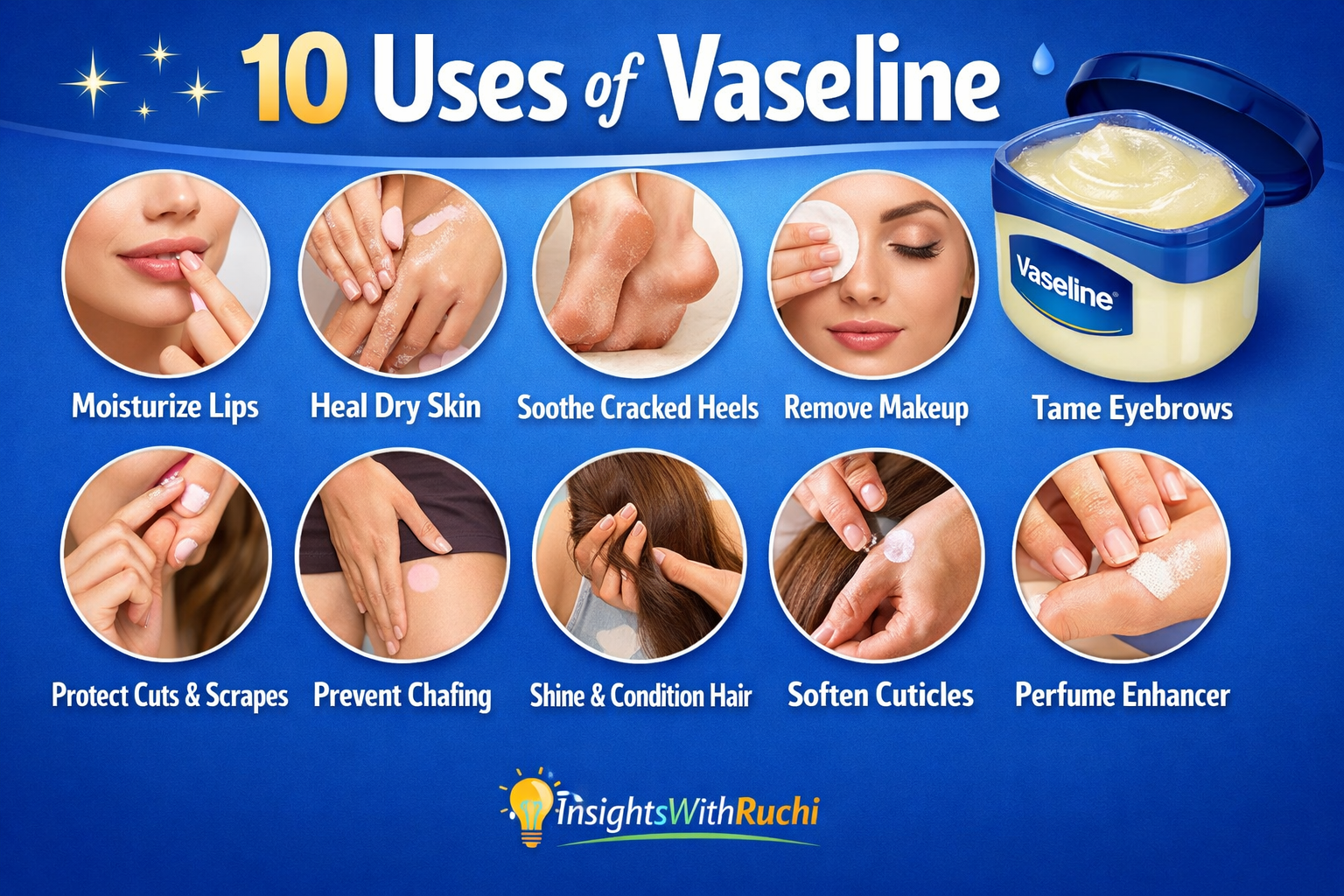
10 Amazing Uses of Vaseline (Petroleum Jelly)
Explore 10 amazing uses of Vaseline (Petroleum Jelly) for skincare, beauty hacks, and household remedies. Learn dermatologist approved tips, DIY tricks, and timeless solutions.
Read full article: 10 Amazing Uses of Vaseline (Petroleum Jelly)
10 Ways to Protect Tulasi Plant This Summer Season
Tulasi is sacred in Hindu tradition, symbolizing purity and devotion. This blog explores its origin, mythology, health and astrological benefits, and shares 10 practical ways to protect Tulasi during the summer season.
Read full article: 10 Ways to Protect Tulasi Plant This Summer Season
Why Women Should Wear Payal: Astrology, Ayurveda & Emotional Connect
Wearing a payal (silver anklet) is more than a cultural adornment, it is a symbol of tradition, wellness, and emotional heritage. Rooted in Hindu ceremonies and mythology, payal carries astrological significance by balancing lunar energy, Ayurvedic benefits through improved circulation and stress relief, and a deep emotional connect that ties generations together. For me, silver payal with its delicate sheen and elegance, remains a timeless choice, blending beauty with holistic well-being.
Read full article: Why Women Should Wear Payal: Astrology, Ayurveda & Emotional Connect